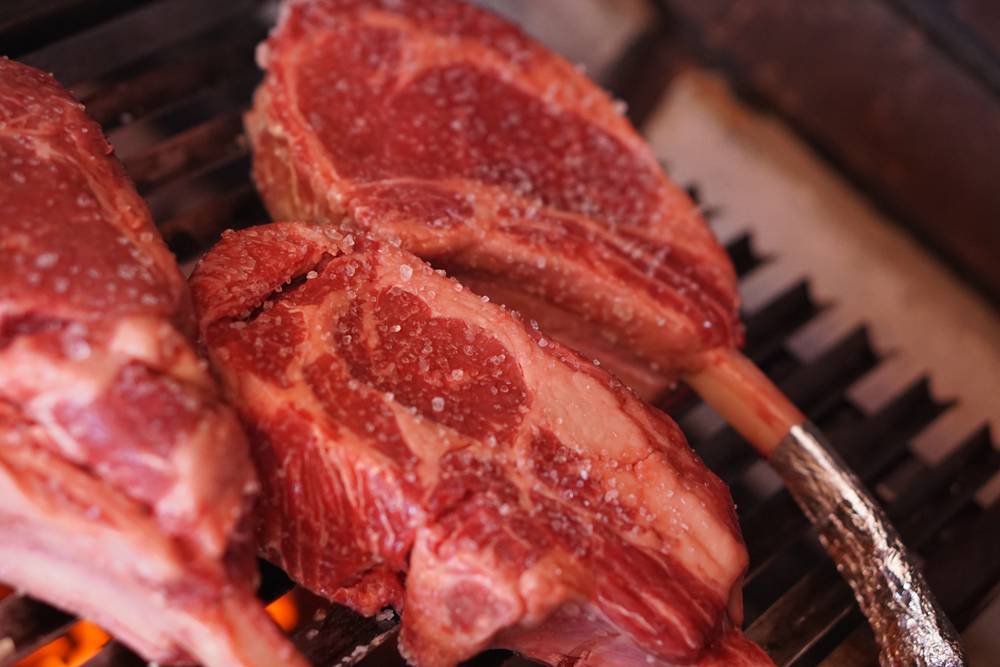
Churrasco bezeichnet brasilianisches Barbecue, bei dem verschiedene Fleischstücke über offenem Feuer gegrillt und oft am Spieß serviert werden. Es ist ein beliebtes Gericht im Süden Brasiliens und wird typischerweise im Rodízio-Stil genossen, bei dem die Gäste mehrere Fleischsorten probieren können.
Credits: Leonardo Sakaki, Creative Commons Attribution-Share Alike 4.0 International
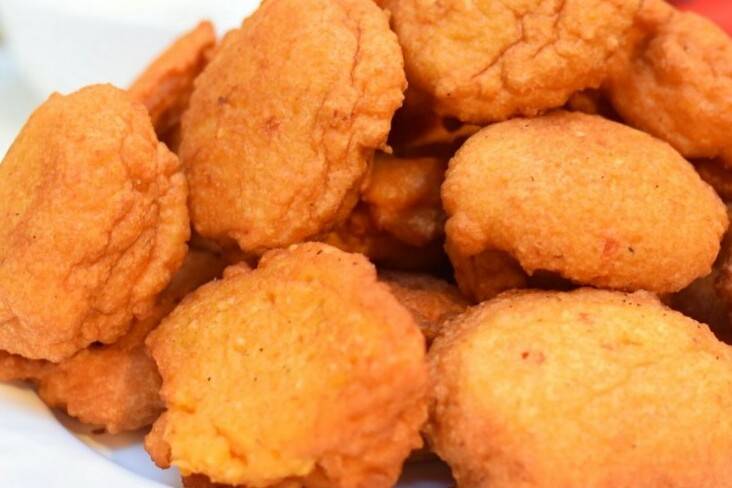
Acarajé
Acarajé ist ein beliebtes Streetfood aus Bahia. Es wird aus in Dendê-Öl frittiertem Schwarzaugenbohnenteig hergestellt und typischerweise mit Vatapá (einer würzigen Garnelenpaste) und Caruru (einem Okra-Gericht) gefüllt. Es spiegelt das reiche afrikanische Erbe der brasilianischen Küche wider.
Credits: AkinkuotuFunmi, Creative Commons Attribution-Share Alike 4.0 International
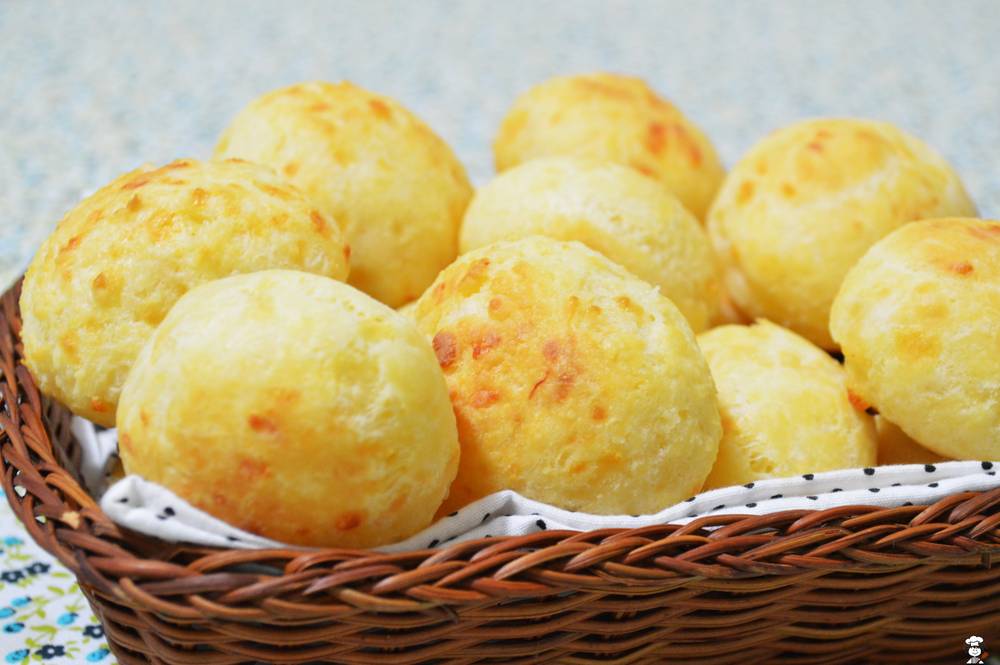
Pão de Queijo
Pão de Queijo ist ein beliebtes Käsebrot aus Maniokmehl und Käse aus dem Bundesstaat Minas Gerais. Diese fluffigen, glutenfreien Häppchen werden in ganz Brasilien als Snack oder Frühstück genossen.
Credits: Murilo manzini, Creative Commons Attribution-Share Alike 4.0 International
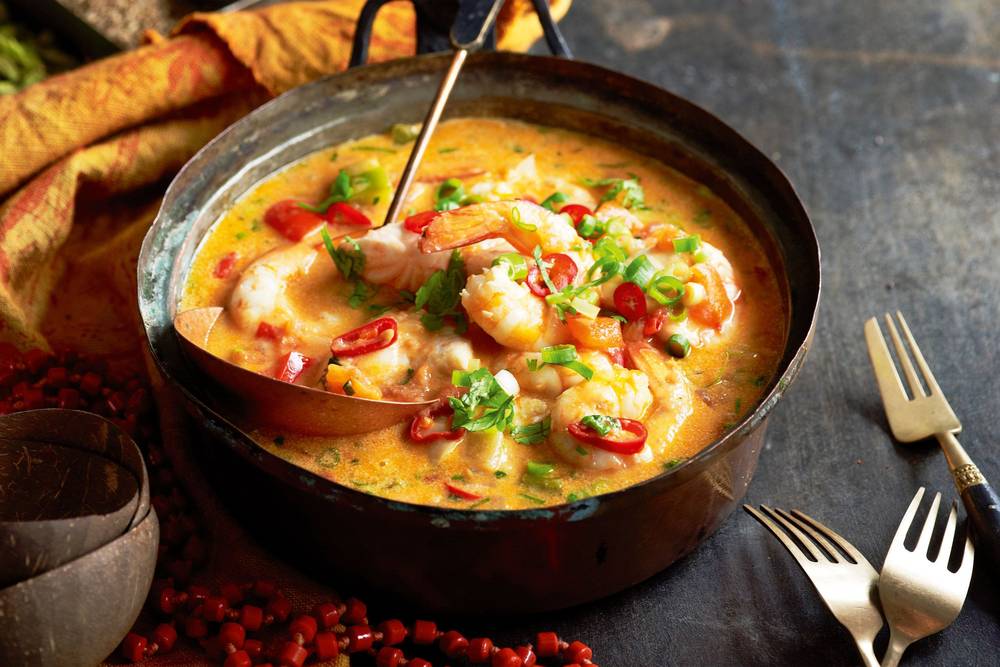
Moqueca
Moqueca ist ein traditioneller Fischeintopf aus den nordöstlichen Bundesstaaten Bahia und Espírito Santo, der langsam in Kokosmilch gekocht und mit Gewürzen, Zwiebeln und Tomaten gewürzt wird. Er wird typischerweise mit Reis und Farofa serviert und zeigt eine Mischung aus indigenen, afrikanischen und portugiesischen Einflüssen.
Credits: BR, Creative Commons Attribution-Share Alike 4.0 International
Trau dich zu versuchen
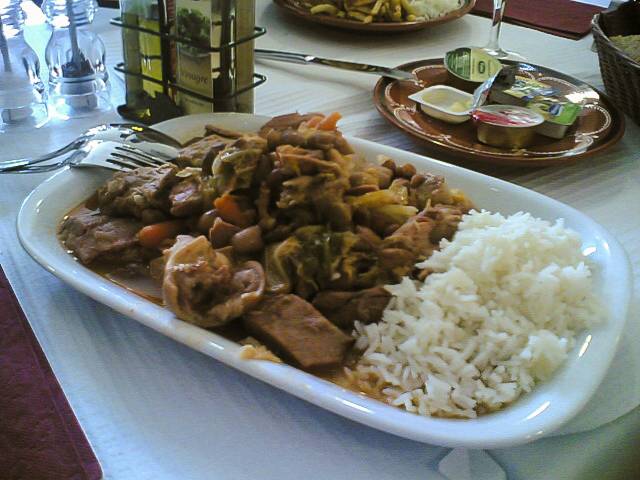
Feijoada
Brasilianischer Eintopf aus schwarzen Bohnen mit Schweinefleisch, serviert mit Reis.
Head to traditional music bars for authentic samba, pagode, and forró performances that capture the city’s nightlife.
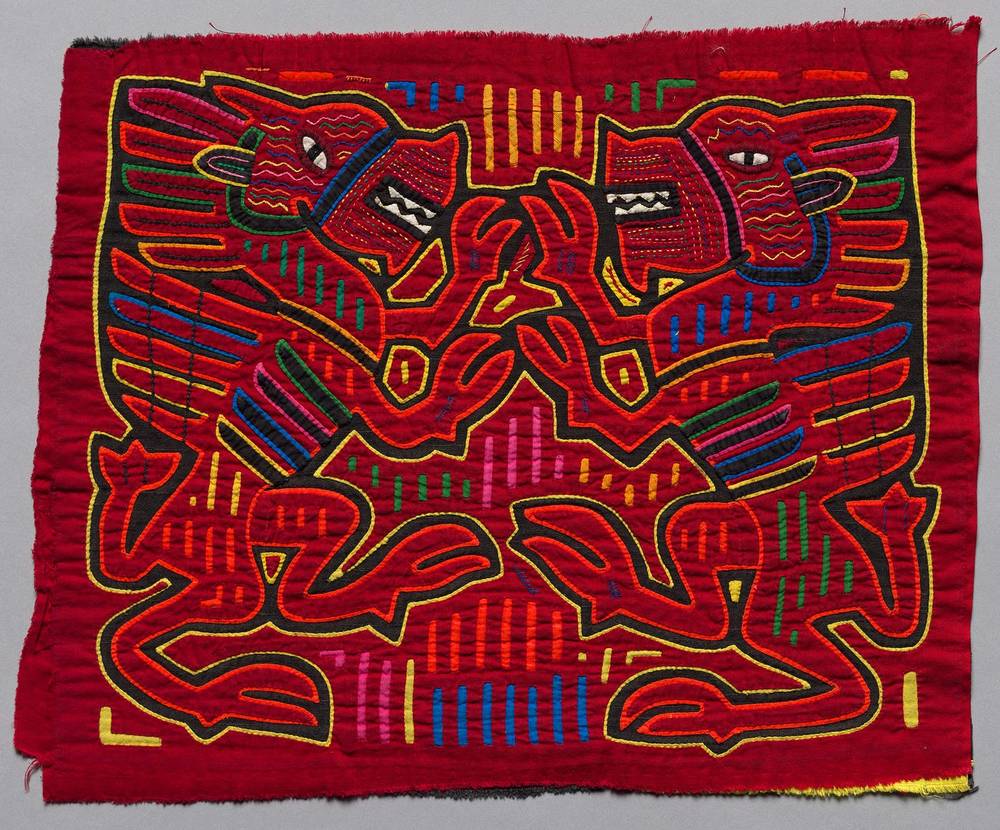
Molas
Lorem Ipsum is simply dummy text of the printing and typesetting industry. Lorem Ipsum has been the industry's standard dummy text ever since the 1500s, when an unknown printer took a galley of type and scrambled it to make a type specimen book. It has survived not only five centuries, but also the leap into electronic typesetting, remaining essentially unchanged. It was popularised in the 1960s with the release of Letraset sheets containing Lorem Ipsum passages, and more recently with desktop publishing software like Aldus PageMaker including versions of Lorem Ipsum..