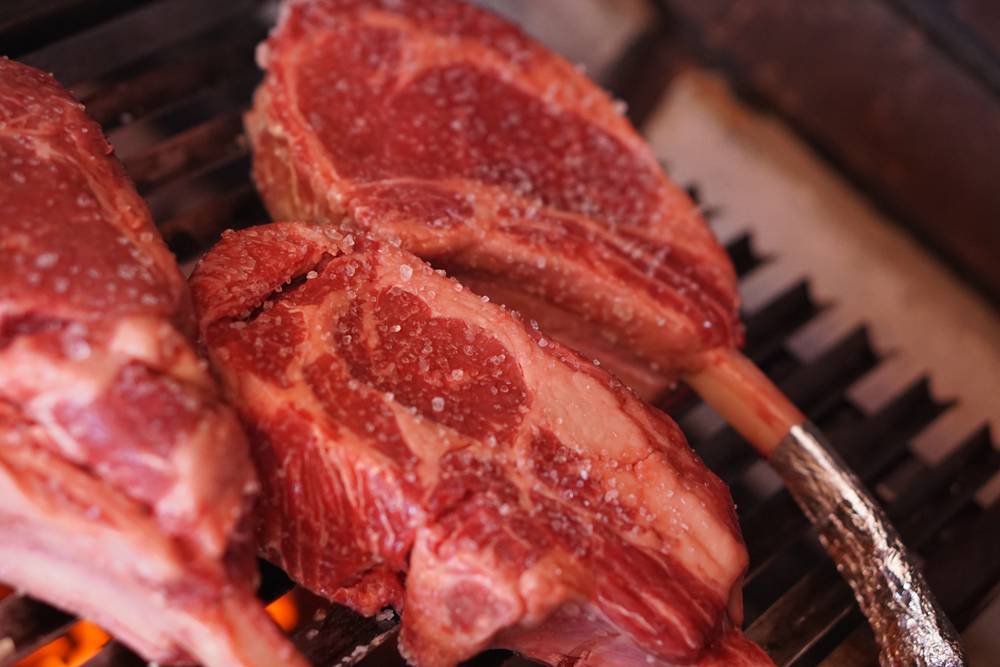
Churrasco refers to Brazilian barbecue, where various cuts of meat are grilled over open flames, often served on skewers. It is a popular dish in southern Brazil and is typically enjoyed in a rodízio style, where diners can sample multiple meats.
Credit: Leonardo Sakaki, Creative Commons Attribution-Share Alike 4.0 International
Acarajé
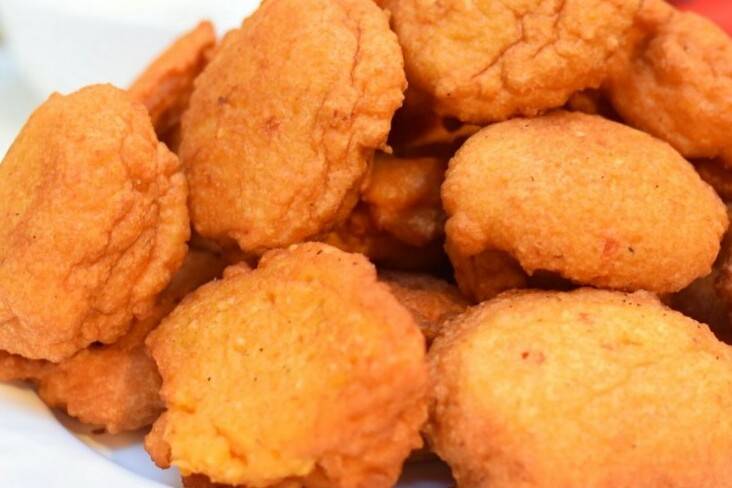
Acarajé is a popular street food from Bahia, made from black-eyed pea dough that is deep-fried in dendê oil and typically filled with vatapá (a spicy shrimp paste) and caruru (a okra dish). It reflects the rich African heritage in Brazilian cuisine.
Credit: AkinkuotuFunmi, Creative Commons Attribution-Share Alike 4.0 International
Pão de Queijo
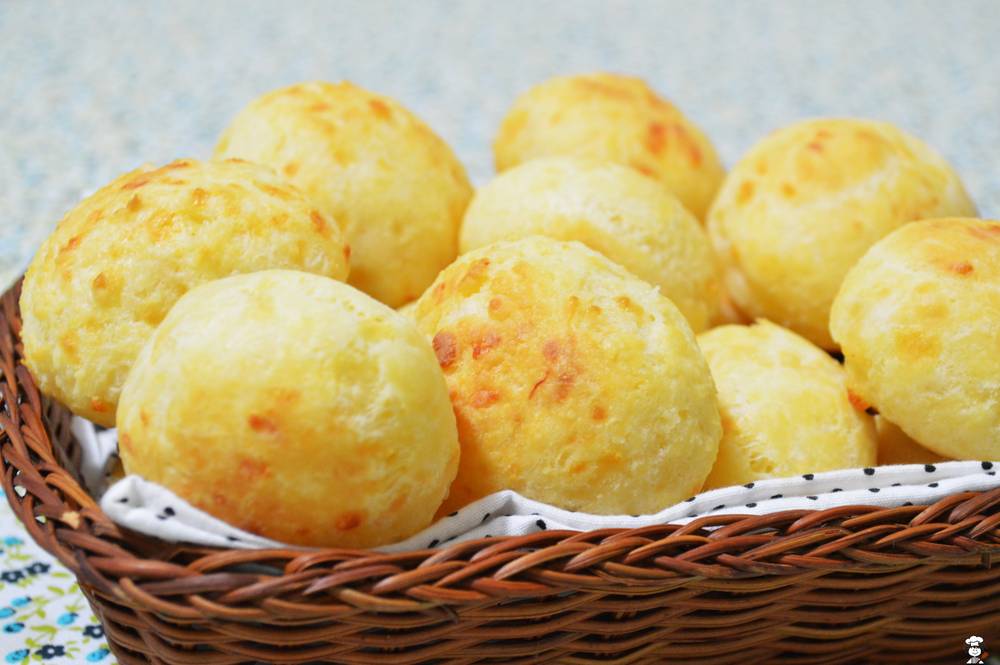
Pão de Queijo is a traditional Brazilian cheese bread made from tapioca flour, giving it a chewy and airy texture. It is typically prepared with Parmesan or Minas cheese and enjoyed warm straight from the oven. The snack is especially popular in the state of Minas Gerais and commonly served for breakfast or as a café treat. Pão de Queijo has become one of Brazil’s most beloved and recognizable street foods.
Credit: Murilo manzini, Creative Commons Attribution-Share Alike 4.0 International
Moqueca
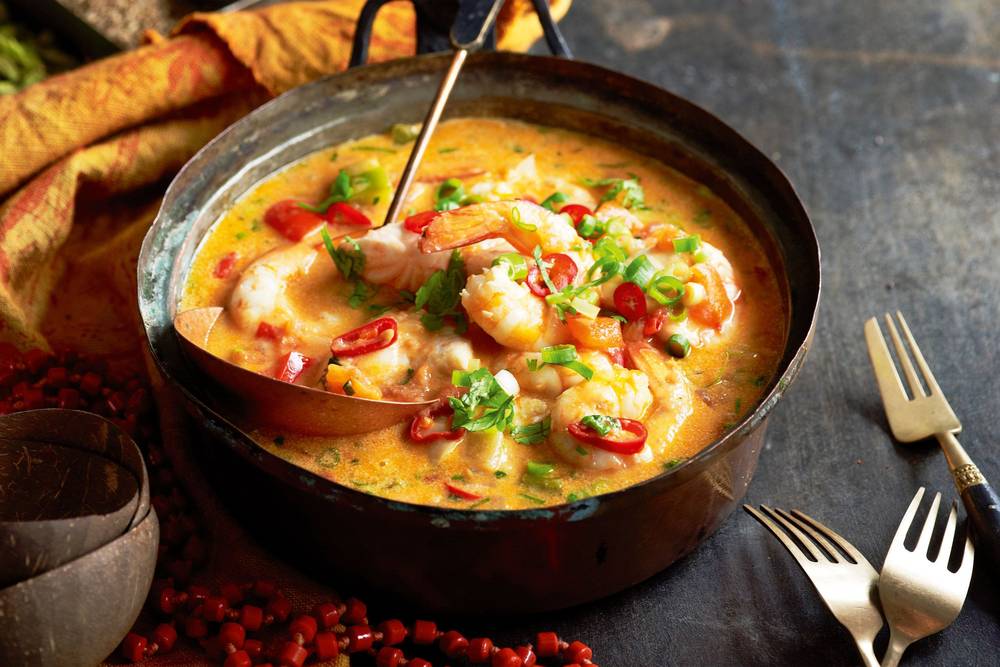
Moqueca is a traditional fish stew from the northeastern states of Bahia and Espírito Santo, cooked slowly in coconut milk and flavored with spices, onions, and tomatoes. It is typically served with rice and farofa, showcasing a blend of Indigenous, African, and Portuguese influences.
Credit: BR, Creative Commons Attribution-Share Alike 4.0 International
Dare to try
Feijoada
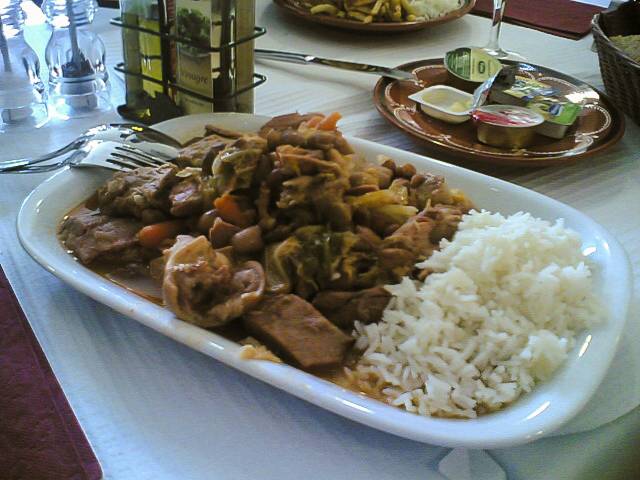
Feijoada is a classic Brazilian stew made from black beans slow-cooked with pork cuts such as sausage, bacon, and ribs. It is traditionally served with white rice, sautéed collard greens, and orange slices to balance the richness. The dish is often enjoyed during social gatherings and weekend meals. Feijoada is widely regarded as Brazil’s national dish due to its deep cultural roots.
Credit: Creative Commons Attribution 3.0 Unported
Live Samba Show
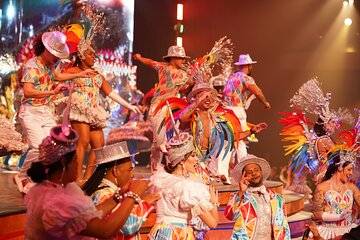
Head to traditional music bars for authentic samba, pagode, and forró performances that capture the city’s nightlife.
Molas
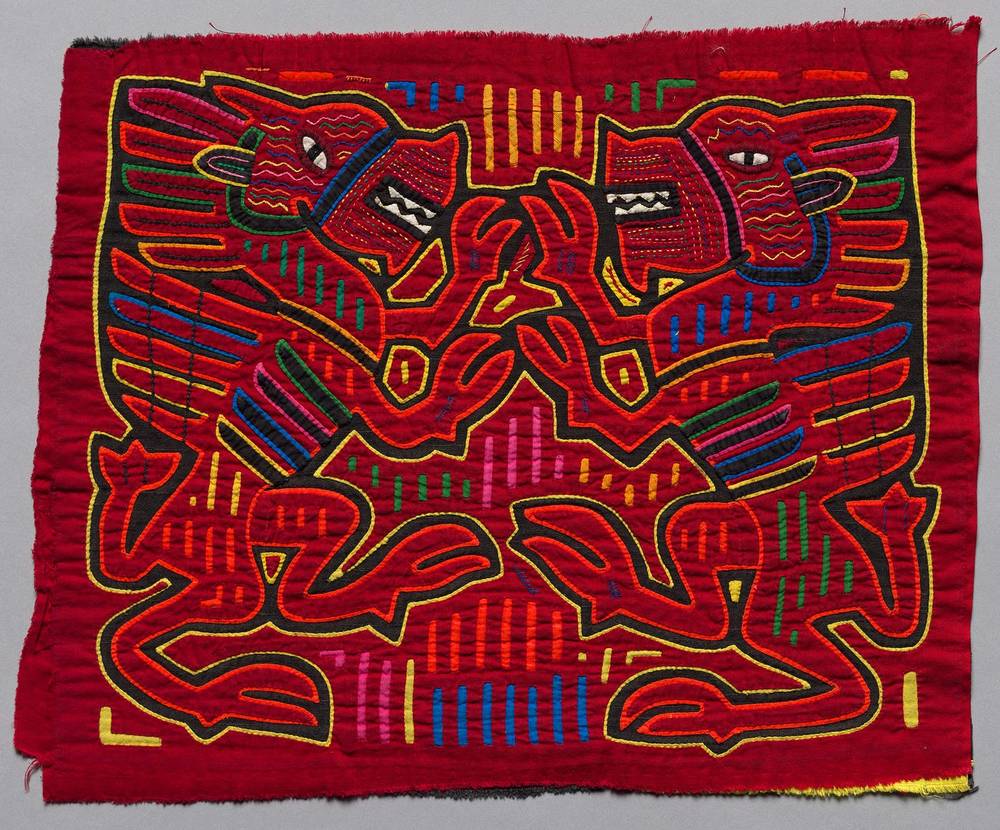
Lorem Ipsum is simply dummy text of the printing and typesetting industry. Lorem Ipsum has been the industry's standard dummy text ever since the 1500s, when an unknown printer took a galley of type and scrambled it to make a type specimen book. It has survived not only five centuries, but also the leap into electronic typesetting, remaining essentially unchanged. It was popularised in the 1960s with the release of Letraset sheets containing Lorem Ipsum passages, and more recently with desktop publishing software like Aldus PageMaker including versions of Lorem Ipsum..